







Explore Paris more smoothly with the right card strategy
Paris rewards good planning.
A museum-focused pass can make sense if you want to move quickly through major monuments and national collections, while a transport card can save both money and mental energy if you expect to cross the city often by metro, RER, bus, or tram.
Some travelers do best with a Paris Museum Pass plus a separate transit solution such as Navigo Easy, Navigo Decouverte, or Paris Visite.
This guide helps you compare the real-world value of each option so you can spend less time decoding fare rules and more time actually enjoying Paris..
Paris Museum Pass and Paris Transport Cards Visiting timetable
Museums, monuments, and transport services all follow different rhythms. Major museums usually open from morning into late afternoon or early evening, while metro and city transport run much longer and often remain the backbone of a full sightseeing day.
Paris Museum Pass and Paris Transport Cards Closing Days
Many museums and monuments open year-round, but individual sites can close on specific weekdays, public holidays, strike days, or for temporary exhibition changes and maintenance work. Transport service can also vary during holidays and special events.
Where is Located
Paris, France - Louvre, Ile de la Cite, Left Bank, Montmartre and beyond
How to start using your Paris museum pass or transport card
Most travelers begin in a central transport zone such as Chatelet-Les Halles, Gare du Nord, Saint-Michel, Opera, or Montparnasse. From there, you can activate a transport card, load tickets onto Navigo Easy, or head to your first reserved museum. If you are using the Paris Museum Pass, it helps to decide your first major stop in advance so your activation begins at the right moment rather than by accident.
By Train
If you arrive by train at Gare du Nord, Gare de l'Est, Gare de Lyon, Gare Montparnasse, or Saint-Lazare, you can connect directly into the metro and RER network. That makes Paris transport cards especially useful from the first hour of your trip, while museum passes are often best activated when you are ready to begin a serious sightseeing stretch.
By Car
Driving in Paris is rarely the simplest option for visitors. Traffic, parking costs, and low-emission restrictions can turn a short city crossing into a tiring chore. A more practical approach is to park once, if needed, then switch to metro, bus, and walking with a transport card that keeps your day light and flexible.
By Bus
Paris buses are underrated, especially if you want to see the city while moving between museums and neighborhoods. They connect major areas such as the Louvre, Saint-Germain-des-Pres, the Eiffel Tower district, Bastille, Montmartre, and the Canal Saint-Martin area. If you prefer gentler transitions over constant staircases, a transport card plus buses can be surprisingly pleasant.
On Foot
Paris is one of those cities where walking often becomes part of the visit itself. If you stay in the 1st, 4th, 5th, 6th, 7th, or 9th arrondissement, you may combine short walks with metro hops and cover an enormous amount without feeling rushed. A smart pass strategy works best when it supports this rhythm instead of forcing you into a checklist.
Why compare Paris Museum Pass and Paris transport cards
Because museums and mobility are two different questions in Paris: one pass may unlock monuments, another may simplify transport, and the best-value setup is often the combination that matches your actual pace.
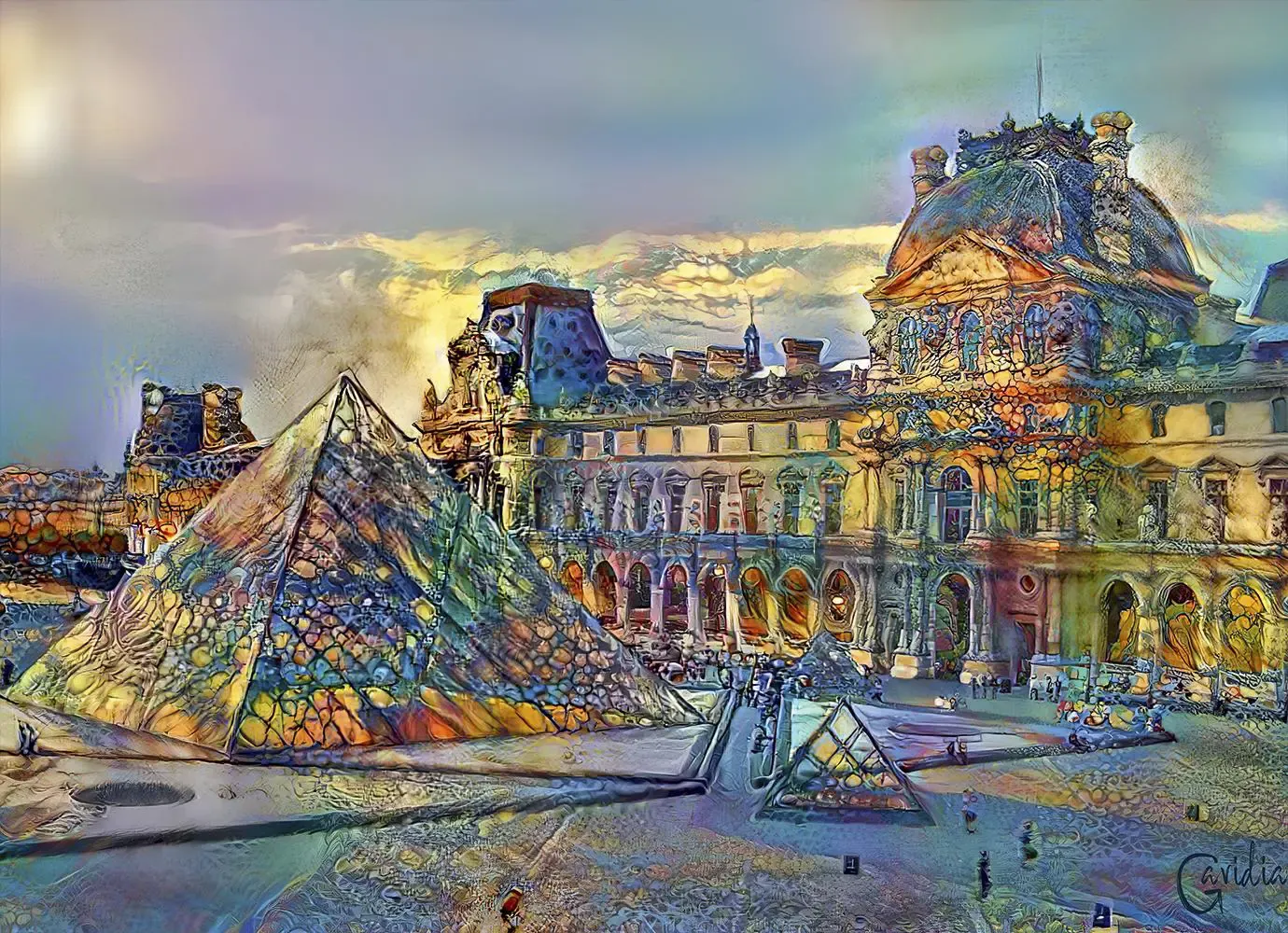

Paris Museum Pass and Paris Transport Cards
Louvre, Orsay and Monument-Rich Central Paris
A museum-focused pass works best when you cluster major cultural stops in central Paris, from the Louvre and the Conciergerie to the Pantheon and other monument-heavy areas where history, architecture, and collections sit close together.
Metro Freedom Across Both Banks
A reliable transport card gives you confidence to move between the Right Bank and Left Bank, switch plans when queues build, and add neighborhoods such as Montmartre, Bastille, or the Latin Quarter without worrying about every single ride.
Day Trips, Outer Zones and Flexible Planning
If your itinerary includes airports, Versailles, La Defense, or wider Ile-de-France travel, choosing the right transport coverage becomes just as important as museum entry. This is where a careful card decision can genuinely improve the whole trip.
Paris passes at a glance
Quick answers before you commit to a card.
Book the Paris pass combination that fits your trip
Choose museum access, transport freedom, or a balanced mix of both depending on how intensely you want to sightsee.
A well-matched setup saves more than money: it saves energy, time, and that familiar Paris frustration of figuring everything out on the pavement.
